In the ever-evolving world of gaming, new controllers emerge with cutting-edge features and sleek designs, yet some classics simply refuse to fade into obscurity. Among these timeless titans, the Xbox 360 controller stands as a testament to exceptional design and robust functionality. Many gamers, myself included, still cherish this iconic gamepad, often finding it to be a more comfortable and reliable companion than some of its modern counterparts. It’s more than just a piece of hardware; it’s a bridge to gaming’s recent past, offering a tactile experience that continues to resonate with players worldwide. Whether you’re a seasoned enthusiast or a newcomer to PC gaming, understanding the enduring appeal of the Xbox 360 controller is key to appreciating a true gaming legend.
The Unforgettable Feel: Ergonomics That Stood the Test of Time
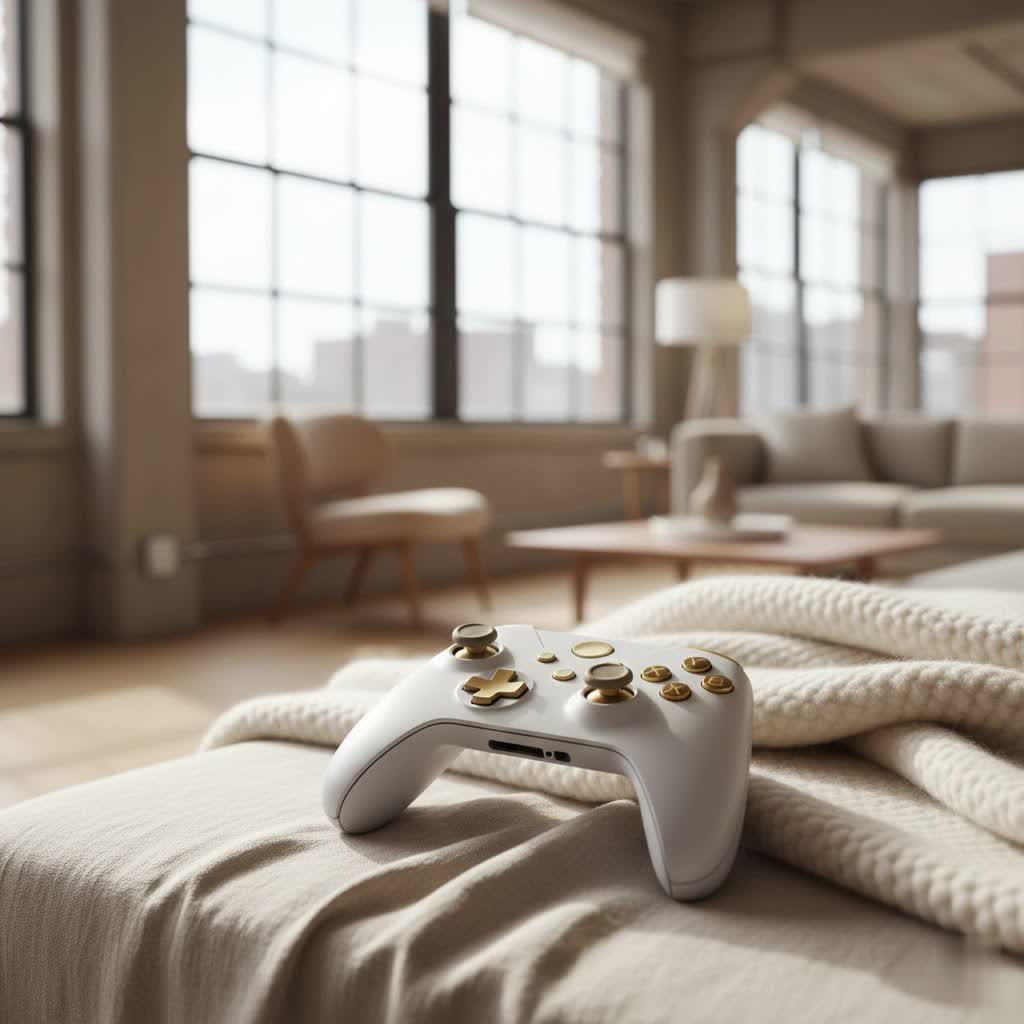
The Xbox 360 controller didn’t just appear out of thin air; it was the culmination of refined design, building upon lessons learned from its predecessors. Microsoft truly hit a sweet spot with its ergonomics, crafting a device that feels like a natural extension of your hands.
A Legacy of Comfort: From “The Duke” to Dominance
|
Our Picks for the Best Game Controller in 2026
As an Amazon Associate I earn from qualifying purchases.
|
||
| Num | Product | Action |
|---|---|---|
| 1 | ManbaOne Interactive Screen Wireless Gaming Controller for PC/Switch/Switch 2/iOS/Android,Hall Effect Stick & Trigger,RGB Lighting,Remappable Buttons,1800mAh with Charging Dock (Black) |

|
| 2 | VOYEE Switch Controllers Compatible with Switch/Lite/OLED/PC Windows, 1000mAh Programmable RGB Lightning LED, Wireless Pro Controller with One Key Pairing/Wake Up/Turbo/Vibration |
|
| 3 | Logitech G F310 Wired Gamepad Controller Console Like Layout 4 Switch D-Pad PC - Blue/Black |
|
| 4 | EasySMX X15 PC Controller - Enhanced Wireless Bluetooth Controller with Hall Joysticks/Hall Triggers/RGB Lighting - No Stick Drift, No Dead Zone - Work for Windows PC, Android, Steam and Switch |
|
| 5 | Xbox Elite Series 2 Core Wireless Gaming Controller – White Series X-S, One, Windows PC, Android, and iOS |
|
| 6 | AceGamer Aurora II 2.4G Wireless Bluetooth Controller for PC/Android/Switch/iOS/Switch 2/Steam Deck with Rotary Motors, RGB Hall Effect Joysticks - Upgraded PC Gaming Controller and Back Buttons Lock |
|
| 7 | PlayStation DualSense® Wireless Controller - Midnight Black |
|
| 8 | 8BitDo Ultimate 2 Wireless Controller for Windows PC, Apple, Steam & Android, Gaming Controller with TMR Joysticks, Hall/Tactile Triggers, Motion Control, RGB Fire Ring, 1000Hz Polling Rate, Black |
|
| 9 | 8BitDo Ultimate 2C Wireless Controller for Windows PC and Android, with 1000 Hz Polling Rate, Hall Effect Joysticks and Triggers, and Remappable L4/R4 Bumpers (Green) |
|
| 10 | Spican Switch 2 Controller, Switch 2 Accessories Wireless Pro Controller with No-drift Hall Effect Joystick, 4 RGB Mode, 10H+ Battery, Turbo&Macro, Full-Size Hand-Curve Design Comfort for Nintendo Switch 2 Games |
|
Before the Xbox 360, Microsoft’s original Xbox launched with “The Duke,” a controller infamous for its colossal size and awkward button layout, especially for those with smaller hands. This quickly led to the “Controller S,” a more compact and streamlined design. The Xbox 360 controller took this improved foundation and elevated it further, paring down the size slightly while maintaining the comfortable grips. IGN, a respected voice in gaming, notably praised the Xbox 360 controller for its “most ergonomically comfortable console controllers around” design. This journey of iterative improvement resulted in a gamepad that truly understood player comfort.
Thoughtful Design: Button Layout and Analog Stick Precision
What makes the Xbox 360 controller so universally beloved for its feel? It’s a combination of subtle yet significant design choices. The offset analog stick layout, now a standard for Xbox controllers, provides a natural resting position for your thumbs, reducing strain during long gaming sessions. The “back” and “start” buttons were moved to a more central, accessible position, and the original “black” and “white” buttons were cleverly reimagined as responsive shoulder bumpers. Even the headset port was strategically placed at the bottom to prevent snagging wires, a small detail that speaks volumes about player-centric design.
“The Xbox 360 controller’s design wasn’t just aesthetic; it was a masterclass in functional ergonomics. Every curve, button placement, and the weight distribution contributed to a truly intuitive and comfortable user experience that many still consider unrivaled.” – Dr. Anya Sharma, Lead Industrial Designer at Vntut Labs.
This attention to detail ensured that whether you were navigating complex menus or executing precise in-game actions, the controller felt intuitive and responsive.
Bridging Generations: The Xbox 360 Controller for PC Gaming
One of the most compelling reasons for the Xbox 360 controller’s lasting appeal is its exceptional compatibility with PC gaming. For years, it was considered the de facto standard for PC gamepads, and its legacy continues to shape how games are designed for controllers on Windows.
Wired Wonderland: Plug-and-Play Simplicity
For those who prefer a hassle-free experience, the wired Xbox 360 controller offers remarkable plug-and-play simplicity on Windows. For most modern Windows operating systems (Windows 10 and 11), simply plugging the controller into an available USB port will often trigger an automatic driver installation. If not, Microsoft provides official drivers on its support website, making the setup process straightforward and quick. This direct connection also means no concerns about battery life interrupting your critical gaming moments. Many wired users also report stronger vibration feedback compared to their wireless counterparts.
Going Wireless: Connecting Your Xbox 360 Controller to PC
If wireless freedom is your preference, the wireless Xbox 360 controller can also be connected to a PC, though it requires an additional piece of hardware: the Xbox 360 Wireless Gaming Receiver for Windows. This small USB dongle communicates with up to four wireless controllers simultaneously.
Here’s a quick guide to setting it up:
- Install the Receiver: Plug the wireless receiver into a USB port on your PC. Windows may automatically install drivers. If it shows as an “unknown device” in Device Manager, you might need to manually update the driver by selecting “Xbox 360 Peripherals” from the list of available drivers.
- Sync the Controller: Once the receiver is recognized (its light will be green), press the small connect button on the receiver. Then, press the connect button on the back of your wireless Xbox 360 controller (usually a small circular button near the top).
- Confirm Connection: The quadrant lights around the Xbox Guide button on your controller will spin and then settle on one lit quadrant, indicating a successful connection. You’re now ready to game wirelessly!
The XInput Advantage: Seamless Game Compatibility
The Xbox 360 controller was instrumental in standardizing gamepad input on PC through Microsoft’s XInput API. This means that a vast majority of modern PC games are designed with XInput in mind, leading to seamless controller recognition and proper button mapping without needing third-party software. This “it just works” factor significantly contributed to its popularity among PC gamers, ensuring that titles from various genres felt instantly playable with the controller.
Wired vs. Wireless: Which Xbox 360 Controller is Right for You?
Choosing between a wired and wireless Xbox 360 controller often comes down to personal preference and specific gaming needs. Both offer a fantastic experience, but they each have distinct advantages and disadvantages.
| Feature | Wired Xbox 360 Controller | Wireless Xbox 360 Controller |
|---|---|---|
| Connectivity | USB cable | Proprietary 2.4 GHz wireless (requires separate receiver for PC) |
| Power | USB bus-powered (no batteries needed) | 2x AA batteries or rechargeable battery pack |
| Vibration | Often stronger feedback | Standard feedback |
| Input Lag | Minimal, direct connection | Minimal, but theoretically higher than wired |
| Portability | Limited by cable length | Freedom of movement, up to 30 ft range (with receiver) |
| PC Setup | Generally plug-and-play | Requires Xbox 360 Wireless Receiver for Windows + driver install |
| Longevity | No battery degradation concerns; cable wear & tear | Battery life degrades over time; potential for stick drift on older units |
| Cost (Used) | Often slightly cheaper | May be slightly more expensive, plus cost of receiver/batteries |
Keeping the Classic Alive: Maintenance and Longevity Tips
Given that the Xbox 360 controller is a classic, many units out there have seen years of intense gaming action. Proper care can significantly extend its lifespan and maintain its performance.
- Clean Regularly: Dust, grime, and skin oils can build up in button crevices and around analog sticks. Use a soft, dry cloth for general cleaning. For tougher spots, a cotton swab lightly dampened with isopropyl alcohol can work wonders, especially around the thumbsticks and button edges.
- Protect Cables (Wired): The weakest point of any wired controller can be the cable. Avoid sharp bends, pulling the cable taut, or wrapping it too tightly. If your wired controller has a breakaway cable, utilize it to prevent damage to both the controller and your PC’s USB port.
- Battery Management (Wireless): If using AA batteries, remove them if you plan not to use the controller for an extended period to prevent corrosion. For rechargeable packs, avoid overcharging and draining them completely too often, as this can reduce overall battery health.
- Gentle Storage: Don’t just toss your controller into a drawer or bag where buttons might be constantly pressed or sticks jammed. Store it in a way that minimizes pressure on the components.
- Address Wear Early: If you notice mushy buttons or stiff analog sticks, as some users have reported on older units, consider looking into repair guides or professional services. Sometimes, simple cleaning or replacement of internal membranes can restore that “like-new” feel.
The Modern Landscape: Does the Xbox 360 Controller Still Hold Up?
In a world dominated by Xbox Series X|S, PlayStation 5, and an array of third-party controllers boasting advanced haptics and adaptive triggers, you might wonder if the Xbox 360 controller still has a place. The answer, surprisingly for many, is a resounding yes.
Pros: Enduring Strengths
- Unmatched Ergonomics: As discussed, its comfort is legendary. Many gamers still find its shape and weight distribution superior to newer models, especially for extended play.
- Widespread PC Support: The XInput standard means almost any game that supports a controller on PC will work perfectly with the Xbox 360 controller, often without any configuration.
- Durability: Anecdotal evidence from countless gamers suggests these controllers are built to last, with many reporting units still functioning well over a decade later.
- Cost-Effective: For those on a budget, a used Xbox 360 controller can be an incredibly affordable way to get into PC gaming with a reliable gamepad, far cheaper than a new Xbox Series X|S controller.
- Ideal for Specific Genres: It remains a top choice for emulators and games where precision aiming isn’t paramount, such as racing games, fighting games, and third-person adventure titles.
Cons: Where Newer Controllers Excel
While the Xbox 360 controller holds its own, it’s undeniably a product of its era. Newer controllers offer quality-of-life improvements and technological advancements:
- Modern Features: Lacks advanced haptic feedback, adaptive triggers, or programmable back paddles found in premium modern controllers.
- Connectivity: The wireless version requires a proprietary receiver for PC, unlike newer Xbox controllers that support Bluetooth Low Energy for wider compatibility.
- D-Pad: The original D-pad on the Xbox 360 controller was often criticized as imprecise, though a revised version was later released. Modern controllers generally feature much-improved directional pads.
- Battery Options: Wireless 360 controllers rely on AA batteries or specific rechargeable packs, which can be less convenient than the integrated rechargeable batteries or USB-C charging of newer gamepads.
When to Choose the Xbox 360 Controller Today
The Xbox 360 controller isn’t for everyone, but it remains an excellent choice if:
- You Prioritize Ergonomics: If you’ve tried newer controllers and still find the 360’s shape the most comfortable, stick with what works for you.
- You’re on a Budget: It’s an economical entry point into PC gaming with a controller that boasts excellent game compatibility.
- You Play Older PC Games or Emulators: Its native XInput support and proven reliability make it perfect for a vast library of classic and retro titles.
- You Need a Reliable Backup Controller: Its durability makes it a great secondary gamepad.
Frequently Asked Questions (FAQ)
Q1: Is the Xbox 360 controller compatible with Windows 10/11?
A: Yes, the Xbox 360 controller is generally compatible with Windows 10 and 11. Wired controllers are often plug-and-play, while wireless controllers require an Xbox 360 Wireless Gaming Receiver for Windows and a simple driver installation.
Q2: Do I need a special adapter for a wireless Xbox 360 controller on PC?
A: Yes, to use a wireless Xbox 360 controller on PC, you need an Xbox 360 Wireless Gaming Receiver for Windows. Standard Bluetooth will not work with these controllers.
Q3: What are the main differences between the Xbox 360 controller and newer Xbox controllers?
A: Newer Xbox controllers (Xbox One, Series X|S) feature improved D-pads, USB-C connectivity, Bluetooth Low Energy for easier wireless PC connection, and often more advanced haptics. The Xbox 360 controller offers classic ergonomics but lacks these modern enhancements.
Q4: Can I use an Xbox 360 controller for all PC games?
A: Most PC games that support gamepads will work seamlessly with an Xbox 360 controller due to its XInput compatibility. However, some very old or niche titles might require third-party mapping software (like x360ce for DirectInput games).
Q5: How can I tell if my Xbox 360 controller is genuine?
A: Genuine Xbox 360 controllers typically have a Microsoft logo, a specific battery compartment design (for wireless), and a high-quality build feel. Counterfeit controllers often feel lighter, have less precise buttons, or exhibit unusual branding. Look for official packaging and reputable sellers when purchasing.
Conclusion
The Xbox 360 controller remains a remarkable piece of gaming hardware, a true icon that transcends its console generation. Its legendary ergonomics, robust PC compatibility, and proven durability have cemented its place in gaming history. While newer controllers offer their own array of technological marvels, the steadfast comfort and reliability of the Xbox 360 controller continue to win over gamers who value timeless design and a pure gaming experience. So, the next time you pick up this classic gamepad, remember you’re holding more than just a controller—you’re holding a piece of gaming legend that still has plenty of life left in it. Happy gaming!
